How is Soft Tissue Therapy Beneficial to the Workplace?

Occupational Therapy 2 - Perth Wellness Centre

Soft Tissue Therapy has been proven effective in rehabilitation, injury prevention, performance enhancing, many places have started bringing this approach to a corporate setting. Now as this sounds amazing to the employees, if you’re a Director, CEO or a leader of an organisation…

Are You Considering Cortisone Injections?

Are You Considering Cortisone Injections - Perth Wellness Centre

Corticosteroid therapy are among the most commonly used treatment modality in the orthopaedic world. They are powerful anti-inflammatory drugs that provide strong and quick effects to conditions such as osteoarthritis, tennis elbow, plantar fasciitis, gout, tendonitis and trigger finger.

Soccer Therapy by Occupational Therapists

Soccer Therapy by Occupational Therapists - Perth Wellness Centre Blog

The demands of soccer can lead to various injuries to ankles, knees and hips, such as sprains, ligament damage and muscle tightness. A recent study recorded a total of 63,258 injuries from 2005 – 2014 in a specific cohort with sprains and strains attributing to 34% of the total.

Clough and Perth Wellness Centre

Perth Wellness Centre is proud to announce that we will be participating in Cloughs Staff Benefit program. All Perth based Clough employees will now have access to all Chiropractic, Physiotherapy, Occupational Therapy and Massage at 20% off our usual price.

How to Get a Good Nights Sleep

How to Get a Good Nights Sleep

Getting good rest is essential to your health. Bad sleeping hygiene and interruption can be a contributing factor to a range of health issues including, obesity, anxiety, depression, slower reaction times and degraded memory. We need to consider some of these useful tips for a restful sleep.

Sitting Less and Moving More!
Sit Less Move More

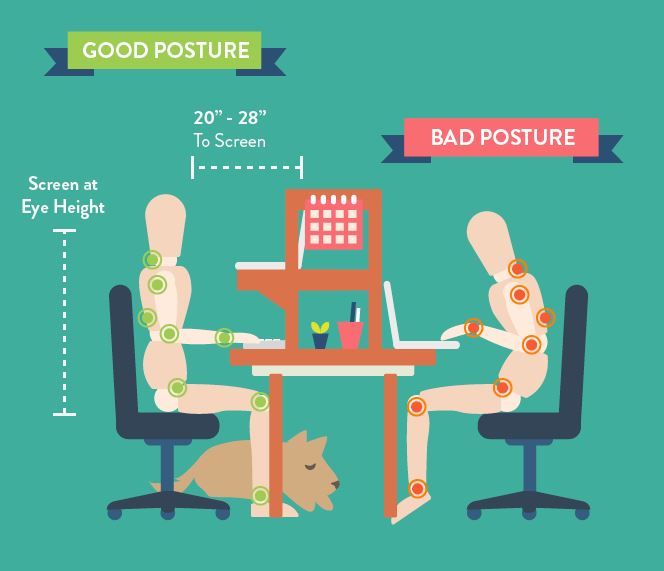
Office workers are one of the most sedentary occupational groups whereby most of them spent over 75% of their working hours being deskbound. Research has shown that an average office worker spends approximately 80,000 hours in sitting position over the course of their career journey.

What is Frozen Shoulder and How to Treat It

What is Frozen Shoulder and How to Treat It

Adhesive Capsulitis or frozen shoulder can be both very painful and movement restrictive for the shoulder joint. Whilst this may be a term familiar to some, it is often poorly understood and misdiagnosed in the field of sports medicine.

How to Prevent Heart Disease

Perth-Wellness-Centre-Blog-How-to-Prevent-Heart-Disease

Heart disease, also known as cardiovascular disease (CVD), is referred to as all diseases and conditions involving the heart and blood vessels. The main types of CVD in Australia are; coronary heart disease, stroke and heart failure/cardiomyopathy.

What are the Effects of Caffeine?

Perth-Wellness-Centre-Blog-What-are-the-Effects-of-Caffeine

Coffee is one of the world’s most popular beverages, served hot and cold. This article spells out research findings on the pros and cons of this drink. In this meta- analysis of prospective studies, the association between coffee consumption and the risk of cognitive decline and dementia are researched.

Explaining the Enteric Nervous System

Perth-Wellness-Centre-Blog- Explaining the Enteric Nervous System

This article focuses on the role of the enteric nervous system (ENS) for overall health. The ENS is a system of cerebral nervous tissue which is in structure and function very similar to the brain. This is why the ENS is called the ‘The second brain’.

Explaining the Enteric Nervous System

Explaining the Enteric Nervous System

This article focuses on the role of the enteric nervous system (ENS) for overall health. The ENS is a system of cerebral nervous tissue which is in structure and function very similar to the brain. This is why the ENS is called the ‘The second brain’.

The ENS organises gastro intestinal function independently of the brain. Problems with the ENS can lead to digestive disorders and more specifically neurological disorders.

Research has found that brain related neurological disorders can also lead to ENS dysfunction. Disorders such as Autism, Amyotrophic lateral sclerosis, transmissible spongiform encephalopathies, Parkinson’s, Alzheimers, have ENS related dysfunction. (Nat Rev Gasteroenterol Hepatol 2016 Sep: 13(9): 517-28)

For other conditions such as migraine and epilepsy, the underlying cause of these disorders is not well known. Evidence is now suggesting that the function of the ENS is seen as related to these neurological conditions.

Any therapy that addresses the nervous system of the abdomen can be an additional adjunct to more traditional approaches. (J Altern Complement Med. 1999 Dec;5(6):575-86)

There is a gut-brain axis which is a two way communication channel from the brain to the ENS and back to the brain again. Emotional and cognitive areas of the brain are connected with intestinal functions of the gut.

Research is now suggesting that this communication channel is effected by gut micro biotics and effect the neural, endocrine, immune and humoral systems of the body. Poor two way communication pathways can lead to mental illness such as anxiety disorders and depression as well as GI disorders such as Irritable Bowel Syndrome.(Ann Gastroenterol. 2015 Apr-Jun;28(2):203-209)

In a study using rodents in a germ free environment, the gut microbiota appears to influence emotional behavior, stress and pain modulation systems as well as brain neuro-transmitter systems.

Further studies need to be done to translate these rodent studies to human physiology and to better understand diseases such as irritable bowel syndrome, autism, anxiety, depression and Parkinson’s disease.

The human microbiota are microbial species that live in the human body. They are made up of bacteria, viruses and funguses that call our bodies home.

Each of us harbour anywhere from 10 trillion to 100 trillion microbial cells, in a symbiotic relationship with our bodies. Estimates have stated that there could be 1000 different species of microorganisms that make up the human microbiota. Whilst numerous these organisms are very small and make up only 2-3% of our body weight.

These micro-organisms are important in both health and disease. Current research has found links between these bacterial populations and the following diseases: Asthma, Autism, Cancer, Celiac disease, Colitis, Diabetes, Eczema, Hear disease, Malnutrition, Multiple Sclerosis, Obesity.

The human microbiome has an effect on the following broad areas:

  • Nutrition,
  • Immunity,
  • Behaviour &
  • Disease. ( J Clin Invest. 2015 Mar 2;125(3):926-38)

The gut micro-biota is comprised of micro-organisms that reside in our gastro-intestinal ecosystem. Any alterations in the function of these effect not only gut related disorders, but also central nervous system based problems such as Alzheimer’s disease (AD). AD is a neuro-degenerative disorder that is associated with impaired cognition.

Imbalances in the gut microbiota can induce inflammation that is associated with pathogenesis of obesity, Type 2 Diabetes and AD.

Understanding the underlying mechanisms of enteric nervous system dysfunction can help to provide new insights into new strategies for treating AD. (J Alzheimers Dis. 2017 Mar 29)

References

  1. Rao M1and Gershon MD (2016) The bowel and beyond: the enteric nervous system in neurological disorders. Nat Rev Gastroenterol Hepatol.Sep;13(9):517-28
  1. Mcmilin DL et.al (1999) The abdominal brain and enteric nervous system. J Altern Complement Med. Dec;5(6):575-86
  1. Carabotti M et.al (2015) The gut-brain axis: interactions between enteric microbiota, central and enteric nervous systems. Ann Gastroenterol.Apr-Jun;28(2):203-209
  1. Mayer EA et. al (2015) Gut/brain axis and the microbiota. J Clin Invest. Mar 2;125(3):926-38
  1. Jiang C et. al. (2017). The Gut Microbiota and Alzheimer’s disease. J Alzheimers Dis Mar 29

Explaining the Enteric Nervous System

Perth-Wellness-Centre-Blog- Explaining the Enteric Nervous System

Explaining the Enteric Nervous System

This article focuses on the role of the enteric nervous system (ENS) for overall health. The ENS is a system of cerebral nervous tissue which is in structure and function very similar to the brain. This is why the ENS is called the ‘The second brain’.

The ENS organises gastro intestinal function independently of the brain. Problems with the ENS can lead to digestive disorders and more specifically neurological disorders.

Research has found that brain related neurological disorders can also lead to ENS dysfunction. Disorders such as Autism, Amyotrophic lateral sclerosis, transmissible spongiform encephalopathies, Parkinson’s, Alzheimers, have ENS related dysfunction. (Nat Rev Gasteroenterol Hepatol 2016 Sep: 13(9): 517-28)

For other conditions such as migraine and epilepsy, the underlying cause of these disorders is not well known. Evidence is now suggesting that the function of the ENS is seen as related to these neurological conditions.

Any therapy that addresses the nervous system of the abdomen can be an additional adjunct to more traditional approaches. (J Altern Complement Med. 1999 Dec;5(6):575-86)

There is a gut-brain axis which is a two way communication channel from the brain to the ENS and back to the brain again. Emotional and cognitive areas of the brain are connected with intestinal functions of the gut.

Research is now suggesting that this communication channel is effected by gut micro biotics and effect the neural, endocrine, immune and humoral systems of the body. Poor two way communication pathways can lead to mental illness such as anxiety disorders and depression as well as GI disorders such as Irritable Bowel Syndrome.(Ann Gastroenterol. 2015 Apr-Jun;28(2):203-209)

In a study using rodents in a germ free environment, the gut microbiota appears to influence emotional behavior, stress and pain modulation systems as well as brain neuro-transmitter systems.

Further studies need to be done to translate these rodent studies to human physiology and to better understand diseases such as irritable bowel syndrome, autism, anxiety, depression and Parkinson’s disease.

The human microbiota are microbial species that live in the human body. They are made up of bacteria, viruses and funguses that call our bodies home.

Each of us harbour anywhere from 10 trillion to 100 trillion microbial cells, in a symbiotic relationship with our bodies. Estimates have stated that there could be 1000 different species of microorganisms that make up the human microbiota. Whilst numerous these organisms are very small and make up only 2-3% of our body weight.

These micro-organisms are important in both health and disease. Current research has found links between these bacterial populations and the following diseases: Asthma, Autism, Cancer, Celiac disease, Colitis, Diabetes, Eczema, Hear disease, Malnutrition, Multiple Sclerosis, Obesity.

The human microbiome has an effect on the following broad areas:

  • Nutrition,
  • Immunity,
  • Behaviour &
  • Disease. ( J Clin Invest. 2015 Mar 2;125(3):926-38)

The gut micro-biota is comprised of micro-organisms that reside in our gastro-intestinal ecosystem. Any alterations in the function of these effect not only gut related disorders, but also central nervous system based problems such as Alzheimer’s disease (AD). AD is a neuro-degenerative disorder that is associated with impaired cognition.

Imbalances in the gut microbiota can induce inflammation that is associated with pathogenesis of obesity, Type 2 Diabetes and AD.

Understanding the underlying mechanisms of enteric nervous system dysfunction can help to provide new insights into new strategies for treating AD. (J Alzheimers Dis. 2017 Mar 29)

References

  1. Rao M1and Gershon MD (2016) The bowel and beyond: the enteric nervous system in neurological disorders. Nat Rev Gastroenterol Hepatol.Sep;13(9):517-28
  1. Mcmilin DL et.al (1999) The abdominal brain and enteric nervous system. J Altern Complement Med. Dec;5(6):575-86
  1. Carabotti M et.al (2015) The gut-brain axis: interactions between enteric microbiota, central and enteric nervous systems. Ann Gastroenterol.Apr-Jun;28(2):203-209
  1. Mayer EA et. al (2015) Gut/brain axis and the microbiota. J Clin Invest. Mar 2;125(3):926-38
  1. Jiang C et. al. (2017). The Gut Microbiota and Alzheimer’s disease. J Alzheimers Dis Mar 29