Combating Vitamin D Deficiencies

Combatting Vitamin D Deficiencies

In Australia, you would think with our long, hot summers, active sporting lives and afternoons spent at the beach that we would all have an abundance of Vitamin D. Unfortunately, this is not the case, with vitamin D deficiencies being present in over 30% of Adults.

Magnesium Deficiency in Athletes

Magnesium Deficiency in Athletes

At Perth Wellness Centre, we treat many athletes from various sporting disciplines. Common complaints from these athletes are that they suffer from cramps, spasms, and general weakness. All these signs point to our athletes suffering from a magnesium deficiency.

How to Get a Good Nights Sleep

How to Get a Good Nights Sleep

Getting good rest is essential to your health. Bad sleeping hygiene and interruption can be a contributing factor to a range of health issues including, obesity, anxiety, depression, slower reaction times and degraded memory. We need to consider some of these useful tips for a restful sleep.

Sitting Less and Moving More!
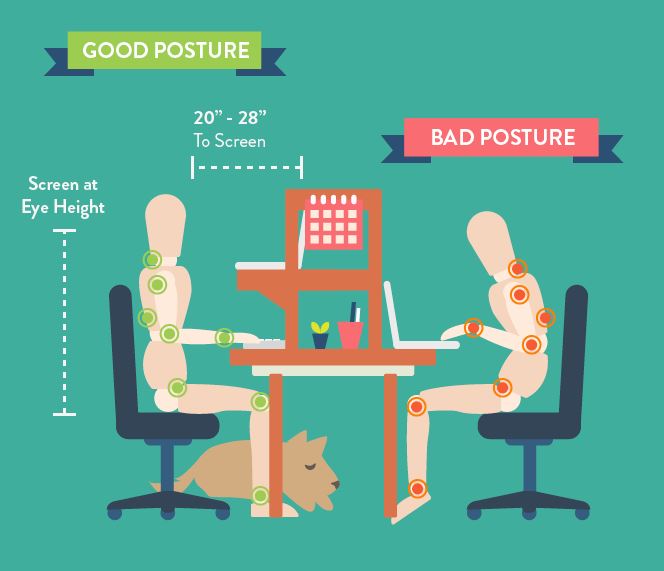
Sit Less Move More

Office workers are one of the most sedentary occupational groups whereby most of them spent over 75% of their working hours being deskbound. Research has shown that an average office worker spends approximately 80,000 hours in sitting position over the course of their career journey.

Muscular Dystrophy Charity Drive

Every year, we allocate certain days where payment for your treatment (as little or as much as you choose) will be donated to charitable causes. All proceeds collected over that duration will be donated a solid 100% to charity. Clients and staff has helped us raise over $80,000 for charity.

O’Mara Classic 2017

perth-wellness-official-sponsor - O'Mara Classic 2017

Perth Wellness Centre is proud to announce our sponsorship with the IFBB WA for the O’Mara State Championship 2017. The O’Mara Championship is a state qualifier for the IFBB nationals that will be held in Sydney, where 5 pro cards will be given away.

Ask The Experts: Prostate Cancer Awareness Month

Ask The Experts: Prostate Cancer Awareness Month

September is International Prostate Cancer Awareness Month and this year our friends at the Prostate Cancer Foundation of Australia (PCFA) will host a webcast to assist in promoting greater awareness of Prostate Cancer and information provision to the Australian community

What is Frozen Shoulder and How to Treat It

What is Frozen Shoulder and How to Treat It

Adhesive Capsulitis or frozen shoulder can be both very painful and movement restrictive for the shoulder joint. Whilst this may be a term familiar to some, it is often poorly understood and misdiagnosed in the field of sports medicine.

How to Prevent Heart Disease

Perth-Wellness-Centre-Blog-How-to-Prevent-Heart-Disease

Heart disease, also known as cardiovascular disease (CVD), is referred to as all diseases and conditions involving the heart and blood vessels. The main types of CVD in Australia are; coronary heart disease, stroke and heart failure/cardiomyopathy.

What are the Effects of Caffeine?
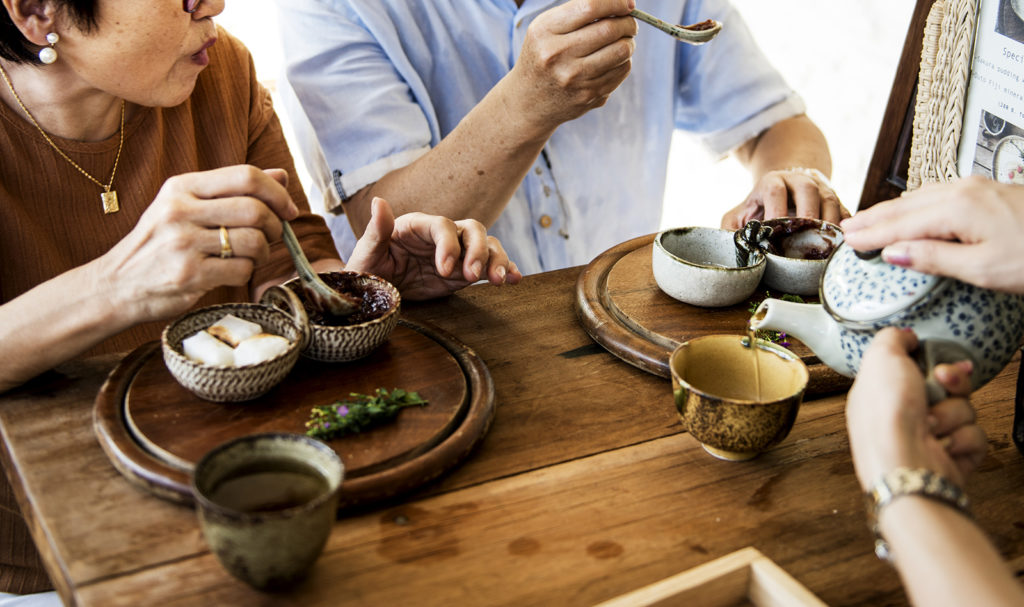
Perth-Wellness-Centre-Blog-What-are-the-Effects-of-Caffeine

Coffee is one of the world’s most popular beverages, served hot and cold. This article spells out research findings on the pros and cons of this drink. In this meta- analysis of prospective studies, the association between coffee consumption and the risk of cognitive decline and dementia are researched.

What are the Effects of Caffeine?

What are the Effects of Caffeine?

Coffee is one of the world’s most popular beverages, served hot and cold. This article spells out research findings on the pros and cons of this drink.

In this meta- analysis of prospective studies, the association between coffee consumption and the risk of cognitive decline and dementia are researched. (Nutrition.2016. Jun:32(6):628-36)

Eleven prospective studies, including 29,155 participants were included in the meta-analysis. This study showed that higher coffee consumption is associated with reduced risk of Alzheimer’s disease. Further research is needed to determine the association between coffee consumption and cognitive decline or dementia. (Nutrition.2016. Jun:32(6):628-36)

From 6 prospective cohort studies and a total of 172,567 participants and 37,135 cases of hypertension were included. (Am J Clin Nutr. 2011. Jun:93(6):1212-9)

Results suggested that habitual coffee consumption of more than 3 cups per day was not associated with increased risk of hypertension compared with less than 1 cup per day. However a slightly elevated risk appeared to be associated with slight to moderate consumption of 1 to 3 cups per day. (Am J Clin Nutr. 2011. Jun:93(6):1212-9)

There is considerable controversy related to the consumption of coffee and cardiovascular disease (CVD). A meta-analysis was performed to assess the dose-response relationship of long term coffee consumption and CVD. (Circulation. 2014.Feb 11:129(6):643-59)

Results showed that moderate coffee consumption led to decreased CVD risk, with the lowest risk occurring with 3 to 5 cups per day. Also, heavy coffee consumption was not associated with elevated CVD risk. (Circulation. 2014.Feb 11:129(6):643-59)

Recent studies have showed that coffee intake could be associated with decreased mortality from cardiovascular disease and neurological diseases, diabetes type II, endometrial and liver cancer. In this research article, the authors investigated the association between coffee intake and its influence on the immune system.(Autoimmun Rev. 2017. May 4(17)30127-1)

Coffee consumption seems to increase the risk of developing Rhematoid arthritis (RA) and type 1 diabetes. Conversely, coffee consumption may exert a protective role against multiple sclerosis (MS), primary sclerosing cholangitis and ulcerative colitis. .(Autoimmun Rev. 2017. May 4(17)30127-1)

A review of the available evidence on coffee drinking and the risk of all cancers up to May 2016 was completed. Coffee consumption was not associated with overall cancer risk. (Eur J Caner Prev. 2017. March)

Coffee drinking is associated with a reduced risk of liver cancer, endometrial cancer colorectal cancer, oral-pharyngeal cancer and for advanced prostate cancer.

A favourable effect was also found on liver enzymes and cirrhosis.

Other studies found an increased likelihood of childhood leukemia after maternal coffee drinking. (Eur J Caner Prev. 2017. March)

In a study from 2,914 participants, coffee consumption and brain function was examined.

The study showed that higher coffee consumption was associated with lower prevalence of lacunar infarcts. Also found was that the highest category of coffee consumption was associated with better executive function. However, memory function was decreased.

(J Alzheimers Dis 2016 May 3:53(2):451-61)

To conclude studies have shown mostly beneficial effects of coffee drinking. However the long term findings of regular coffee drinking seems to be largely un-researched and needs further scientific investigation.

References
  1. Liu, Q.P Et.al.(2016) Habitual coffee consumption and risk of cognitive decline/dementia: A systematic review and meta-analysis of prospective cohort studies.Nutrition.Jun;32(6):628-36.
  1. Et .al (2011) Habitual coffee consumption and risk of hypertension: a systematic review and meta-analysis of prospective observational studies. Am J Clin Nutr. 2011. Jun:93(6):1212-9)
  1. Ding, M et.al.(2014) Long-term coffee consumption and risk of cardiovascular disease: a systematic review and a dose-response meta-analysis of prospective cohort studies.Circulation. Feb 11;129(6):643-59
  1. K et.al. (2017). Coffee and autoimmunity: More than a mere hot beverage! Autoimmun Rev May 4.(17)30127-1.
  1. Alicandro,G et.al.(2017) Coffee and cancer risk: a summary overview.Mar 10.
  1. Araujo LF et.al (2016) Association of Coffee Consumption with MRI Markers and Cognitive Function: A Population-Based Study May 3:53 (2) 451-61

What are the Effects of Caffeine?

Perth-Wellness-Centre-Blog-What-are-the-Effects-of-Caffeine

What are the Effects of Caffeine?

Coffee is one of the world’s most popular beverages, served hot and cold. This article spells out research findings on the pros and cons of this drink.

In this meta- analysis of prospective studies, the association between coffee consumption and the risk of cognitive decline and dementia are researched. (Nutrition.2016. Jun:32(6):628-36)

Eleven prospective studies, including 29,155 participants were included in the meta-analysis. This study showed that higher coffee consumption is associated with reduced risk of Alzheimer’s disease. Further research is needed to determine the association between coffee consumption and cognitive decline or dementia. (Nutrition.2016. Jun:32(6):628-36)

From 6 prospective cohort studies and a total of 172,567 participants and 37,135 cases of hypertension were included. (Am J Clin Nutr. 2011. Jun:93(6):1212-9)

Results suggested that habitual coffee consumption of more than 3 cups per day was not associated with increased risk of hypertension compared with less than 1 cup per day. However a slightly elevated risk appeared to be associated with slight to moderate consumption of 1 to 3 cups per day. (Am J Clin Nutr. 2011. Jun:93(6):1212-9)

There is considerable controversy related to the consumption of coffee and cardiovascular disease (CVD). A meta-analysis was performed to assess the dose-response relationship of long term coffee consumption and CVD. (Circulation. 2014.Feb 11:129(6):643-59)

Results showed that moderate coffee consumption led to decreased CVD risk, with the lowest risk occurring with 3 to 5 cups per day. Also, heavy coffee consumption was not associated with elevated CVD risk. (Circulation. 2014.Feb 11:129(6):643-59)

Recent studies have showed that coffee intake could be associated with decreased mortality from cardiovascular disease and neurological diseases, diabetes type II, endometrial and liver cancer. In this research article, the authors investigated the association between coffee intake and its influence on the immune system.(Autoimmun Rev. 2017. May 4(17)30127-1)

Coffee consumption seems to increase the risk of developing Rhematoid arthritis (RA) and type 1 diabetes. Conversely, coffee consumption may exert a protective role against multiple sclerosis (MS), primary sclerosing cholangitis and ulcerative colitis. .(Autoimmun Rev. 2017. May 4(17)30127-1)

A review of the available evidence on coffee drinking and the risk of all cancers up to May 2016 was completed. Coffee consumption was not associated with overall cancer risk. (Eur J Caner Prev. 2017. March)

Coffee drinking is associated with a reduced risk of liver cancer, endometrial cancer colorectal cancer, oral-pharyngeal cancer and for advanced prostate cancer.

A favourable effect was also found on liver enzymes and cirrhosis.

Other studies found an increased likelihood of childhood leukemia after maternal coffee drinking. (Eur J Caner Prev. 2017. March)

In a study from 2,914 participants, coffee consumption and brain function was examined.

The study showed that higher coffee consumption was associated with lower prevalence of lacunar infarcts. Also found was that the highest category of coffee consumption was associated with better executive function. However, memory function was decreased.

(J Alzheimers Dis 2016 May 3:53(2):451-61)

To conclude studies have shown mostly beneficial effects of coffee drinking. However the long term findings of regular coffee drinking seems to be largely un-researched and needs further scientific investigation.

References
  1. Liu, Q.P Et.al.(2016) Habitual coffee consumption and risk of cognitive decline/dementia: A systematic review and meta-analysis of prospective cohort studies.Nutrition.Jun;32(6):628-36.
  1. Et .al (2011) Habitual coffee consumption and risk of hypertension: a systematic review and meta-analysis of prospective observational studies. Am J Clin Nutr. 2011. Jun:93(6):1212-9)
  1. Ding, M et.al.(2014) Long-term coffee consumption and risk of cardiovascular disease: a systematic review and a dose-response meta-analysis of prospective cohort studies.Circulation. Feb 11;129(6):643-59
  1. K et.al. (2017). Coffee and autoimmunity: More than a mere hot beverage! Autoimmun Rev May 4.(17)30127-1.
  1. Alicandro,G et.al.(2017) Coffee and cancer risk: a summary overview.Mar 10.
  1. Araujo LF et.al (2016) Association of Coffee Consumption with MRI Markers and Cognitive Function: A Population-Based Study May 3:53 (2) 451-61