Tips on Managing Allergies in Perth, Australia

Perth Wellness Centre - Tips on Managing Allergies in Perth Australia

An allergic reaction is, in essence, your body’s way of reacting to a potentially dangerous foreign unknown invader in the only way it knows how to. When your body encounters a potential threat in the form of an allergen most commonly, certain types of food

Omega 3 and Brain Function

Perth Wellness Centre - Omega 3 and Brain Function

Everyone is very concerned with their omega 3 levels and rightly so. Omega 3 is such an important nutrient that our body requires but are we getting enough? And is what we are getting good enough for our bodies? Research has shown omega 3 fatty acid status correlates positively with brain plasticity and intelligence.

The Biopsychosocial Model and Why it’s Important in Our Practice

Perth Wellness Centre - The Biopsychosocial Model and Why it's Important in Our Practice 2

Our clinic is passionate about our philosophy of looking at individuals or clients holistically following our well-known triangle of health including but not exclusive to physical, chemical and emotional health. Why is this important if you just have tight muscles? Or occasionally get headaches?

Effect of Kinesiology Taping on Swelling and Bruising

Effect of Kinesiology Fan Taping on Swelling and Bruising - Blog Post 2

Fan taping with kinesiology tape can assist with acute soft tissue injuries resulting in swelling and bruising. A study found that the taping increases the space between two layers of skin and therefore forces the excess fluid to drain into the lymphatic system subsequently contributing to the healing of the soft tissues.

Posture Correction in Teenagers

Bad Posture Teenagers | Perth Wellness Centre

We as health professionals believe that anterior posture is becoming a major issue in today’s society and is increasing our risk of injury in everyday life. Whether this is at work, school, home and what we do in our spare time. But where does it all begin? Why is this happening in children?

Chiropractic Spinal Manipulation and Spinal Pain
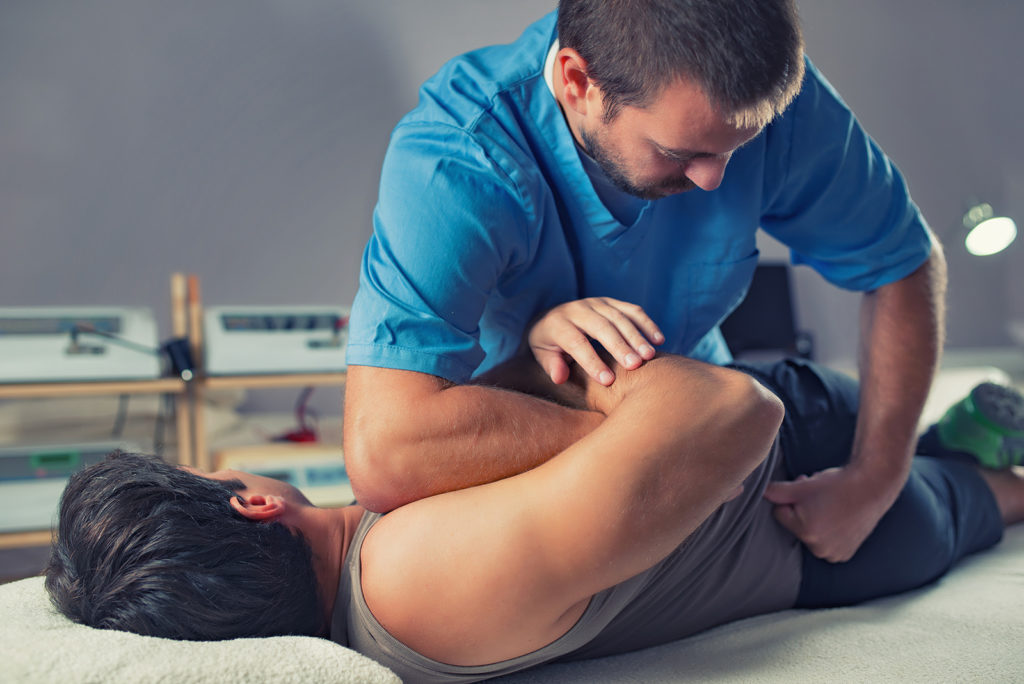
Perth Wellness Centre - Chiropractic Spinal Manipulation and Spinal Pain

Chronic spinal pain is one of the leading causes of disability among adults affecting approximately 1 in 6 Australians. It is defined as pain that persists for 12 weeks or longer and includes health conditions such as disc disorders, spinal stenosis, osteoarthritis and scoliosis.

Tips on Avoiding Headaches

Perth Wellness Centre - Tips to avoid headaches - Image

Most people have experienced a headache at least once in their lives. Headaches may cause pain around the head, face, neck and shoulder region. Almost 15% of the population suffer from more severe headache disorders such as migraines.

Spinal Health Week 2018

Perth Wellness Centre - Spinal Health Week 2018 - Image 1

Spinal Health Week begins the 28th of May! Spinal health is something we only pay attention to when we are in pain. The spine is a very important part of your body and its health can have a big impact on how well the rest of your body’s functions perform.

Thank You to Everyone Who Came to Our Baby Massage

Perth Wellness Centre - Thank you to everyone who came to our baby massage - Image 1

Congratulations to these parents and parents-to-be on completing their first Baby Massage Workshop! It was a pleasure to have this lovely group with us this evening. With such positive feedback, we look forward to organizing more baby massage workshops in the future.

How to Treat Whiplash

Perth Wellness Centre - How to Treat Whiplash

Whiplash is an injury caused by a sudden and vigorous movement of the neck. When this sudden force occurs and the neck is moved beyond its normal range of motion, there is a possibility that the neck muscles, tendons, ligaments, discs or nerves may be injured.

How to Treat Whiplash

How to Treat Whiplash

Whiplash is an injury caused by a sudden and vigorous movement of the neck. When this sudden force occurs and the neck is moved beyond its normal range of motion, there is a possibility that the neck muscles, tendons, ligaments, discs or nerves may be injured. Approximately 106 per 100,000 people in Australia suffer from whiplash injuries yearly (Nikles et al, 2017).

Causes:

  • Motor vehicle accidents (most common)
  • Sports collisions
  • Slips or falls
  • Blows to the head with a heavy object
  • Physical abuse

The symptoms following whiplash may present immediately, several hours or days after the injury, and may vary depending on the grade of whiplash.

(Yadla et al, 2007)

Grade Classification
I Neck pain, stiffness and tenderness only
II Neck pain AND range of movement & point tenderness
III Neck pain AND absent reflexes, weakness & changes in sensation
IV Neck pain AND fracture or dislocation

Symtoms:

  • Neck pain and/or stiffness
  • Headaches
  • Dizziness
  • Shoulder, upper arm or back pain
  • Muscle spasm
  • Altered sensation and/or weakness
  • Visual disturbances or hearing difficulties
  • Difficulty speaking or swallowing
  • Difficulty concentrating and/or fatigue

(Yadla et al, 2007)

Diagnosis:
Diagnosis begins with a thorough history and hands-on clinical examination by an experienced health care practitioner. In some cases X-rays, MRI and/or CT scans may be required to confirm the diagnosis and grade of whiplash injury.

Treatment:
Patients receiving active therapy including manual therapy, mobilisations, postural & active exercises and advice have shown great improvements in pain intensity and range of motion. Other treatments for whiplash include soft cervical collars in the early stages, early physical therapy and coordination exercise therapy (Seferiadis et al, 2014) (Wiangkham et al, 2015).

How to Treat Whiplash

Perth Wellness Centre - How to Treat Whiplash

How to Treat Whiplash

Whiplash is an injury caused by a sudden and vigorous movement of the neck. When this sudden force occurs and the neck is moved beyond its normal range of motion, there is a possibility that the neck muscles, tendons, ligaments, discs or nerves may be injured. Approximately 106 per 100,000 people in Australia suffer from whiplash injuries yearly (Nikles et al, 2017).

Causes:

  • Motor vehicle accidents (most common)
  • Sports collisions
  • Slips or falls
  • Blows to the head with a heavy object
  • Physical abuse

The symptoms following whiplash may present immediately, several hours or days after the injury, and may vary depending on the grade of whiplash.

(Yadla et al, 2007)

Grade Classification
I Neck pain, stiffness and tenderness only
II Neck pain AND range of movement & point tenderness
III Neck pain AND absent reflexes, weakness & changes in sensation
IV Neck pain AND fracture or dislocation

Symtoms:

  • Neck pain and/or stiffness
  • Headaches
  • Dizziness
  • Shoulder, upper arm or back pain
  • Muscle spasm
  • Altered sensation and/or weakness
  • Visual disturbances or hearing difficulties
  • Difficulty speaking or swallowing
  • Difficulty concentrating and/or fatigue

(Yadla et al, 2007)

Diagnosis:
Diagnosis begins with a thorough history and hands-on clinical examination by an experienced health care practitioner. In some cases X-rays, MRI and/or CT scans may be required to confirm the diagnosis and grade of whiplash injury.

Treatment:
Patients receiving active therapy including manual therapy, mobilisations, postural & active exercises and advice have shown great improvements in pain intensity and range of motion. Other treatments for whiplash include soft cervical collars in the early stages, early physical therapy and coordination exercise therapy (Seferiadis et al, 2014) (Wiangkham et al, 2015).